
Insomnia disorder is characterized by dissatisfaction with sleep quality or duration associated with difficulty falling or staying asleep and substantial distress or daytime impairments. The disorder is a sleep disturbance that occurs 3 nights or more per week, persists for more than 3 months, and is not the result of inadequate opportunities for sleep1. As the understanding of sleep mechanisms deepens, treatment approaches have evolved to address the various underlying causes of insomnia. Today, treatment options range from non-pharmacological interventions to pharmacological therapies, each with its own strengths and limitations.2
Current Approaches
As mentioned above, Current treatment options for insomnia include pharmacological treatment which are prescribed and over-the-counter medications, also psychological and behavioral therapies (also referred to as cognitive behavioral therapy for insomnia [CBT-I]), and complementary and alternative therapies.
Non-Pharmacological Treatment
Cognitive Behavioral Therapy for Insomnia (CBT-I) is currently the first-line treatment recommended in the practice guidelines of several professional organizations. It is a structured, sleep-focused, and problem-solving approach, typically delivered by a mental health therapist (e.g., a psychologist). CBT-I combines various strategies to address the behavioral and psychological factors contributing to insomnia, such as excessive worry and unhelpful beliefs about sleep2. This comprehensive approach addresses both the mind and the body to improve sleep quality and duration.
Pharmacological Treatment
Although nonpharmacologic strategies have been found to improve sleep, in many cases patient may need medication to achieve more immediate or optimal outcomes. The common can be seen from the table below:
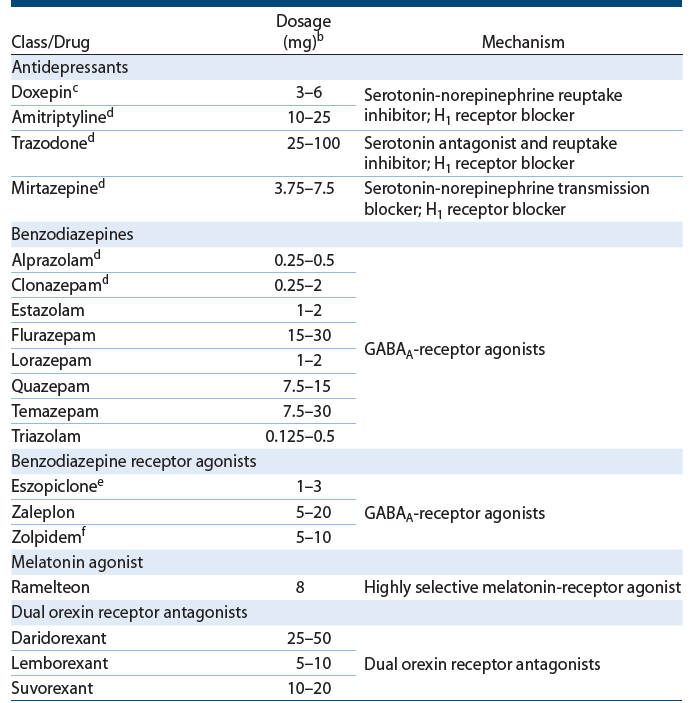
Table 1. Common Prescribed Drug of Insomnia
However, Benzodiazepines and BzRA drugs are widely prescribed these medications come with significant adverse effects that include diminished next-day functioning such as cognitive impairment, risk for dependence, tolerance, and rebound insomnia once the drug is discontinued3 resulting in needs of another insomnia treatment options which safer and low risk.
Mechanism of Action in Sleep Treatment
Most current insomnia medications focus on sedative–hypnotic mechanisms, such as GABAergic modulation, which promotes sleep by enhancing inhibitory neurotransmission. These medications typically induce relaxing effects in patients, allowing them to fall asleep.3
In contrast, Dual Orexin Receptor Antagonist (DORA), targets the orexin system, a neuropeptide responsible for regulating wakefulness. By blocking orexin receptors, Lemborexant as one of DORAs reduces excessive wakefulness and arousal, facilitates a more natural sleep onset and maintenance, while preserving normal sleep architecture, including REM sleep.6
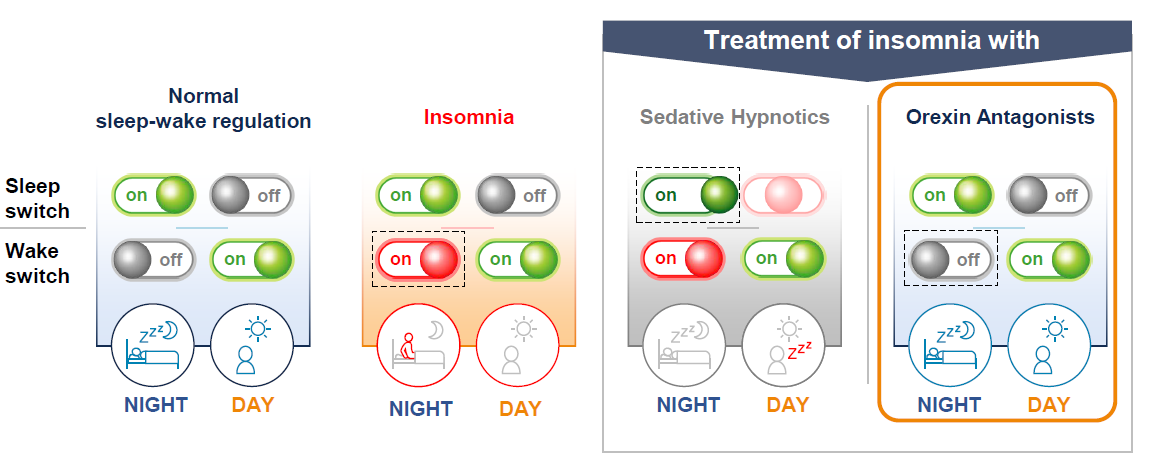
Fig. 1. Difference Mechanism Action of Insomnia Treatment
In individuals with normal sleep-wake regulation, the wake switch remains "on" during the daytime and "off" at night, with both switches mutually inhibiting each other. However, in patients with insomnia, the sleep switch may fail to stay "on" for an adequate duration due to heightened arousal, leading to difficulties in initiating or maintaining sleep. As illustrated above, sedative hypnotics function by inducing the sleep switch while the wake switch remains "on," which can result in fragmented REM sleep while Dual Orexin Receptor Antagonists (DORAs) work by turning the wake switch "off," allowing sleep to be induced more naturally without disrupting the overall sleep architecture.5
Emerging and Novel Therapies: Lemborexant as Dual Orexin Receptor Antagonist
Lemborexant is a highly effective treatment for both sleep onset and sleep maintenance insomnia. Its efficacy is largely attributed to its selectivity for the OX2R receptor, combined with its efficient binding and dissociation properties, which enable it to target the underlying mechanisms of wakefulness regulation in a precise and controlled manner.
One of the notable advantages of Lemborexant is its low risk of adverse effects, particularly next-day residual effects and daytime sleepiness, making it an attractive option for patients who may otherwise be concerned about lingering sedation. This favorable safety profile is consistent with the rapid absorption and quick decline in plasma concentrations of Lemborexant, ensuring that the effects of the medication are well-managed throughout the night without extending into the following day.
Additionally, Lemborexant has not been associated with withdrawal symptoms, even after long-term use, which underscores its potential as a suitable alternative to traditional sedative-hypnotics, such as benzodiazepines (BZDs) or Z-drugs. This makes it an especially valuable therapeutic option in the management of chronic insomnia, particularly for patients looking for a more sustainable and safe solution.6
Reference: